
Scientific Excellence
Commitment to methodological rigor, reproducibility and innovation in the investigation of immunological mechanisms.
 Faculty of Medicine | University of Brasília
The Laboratory of Cellular Immunology, University of Brasília, is one of Brazil's traditional research centers in immunology, with more than four decades of uninterrupted activity in infectious, inflammatory, autoimmune and immunopharmacological investigations.
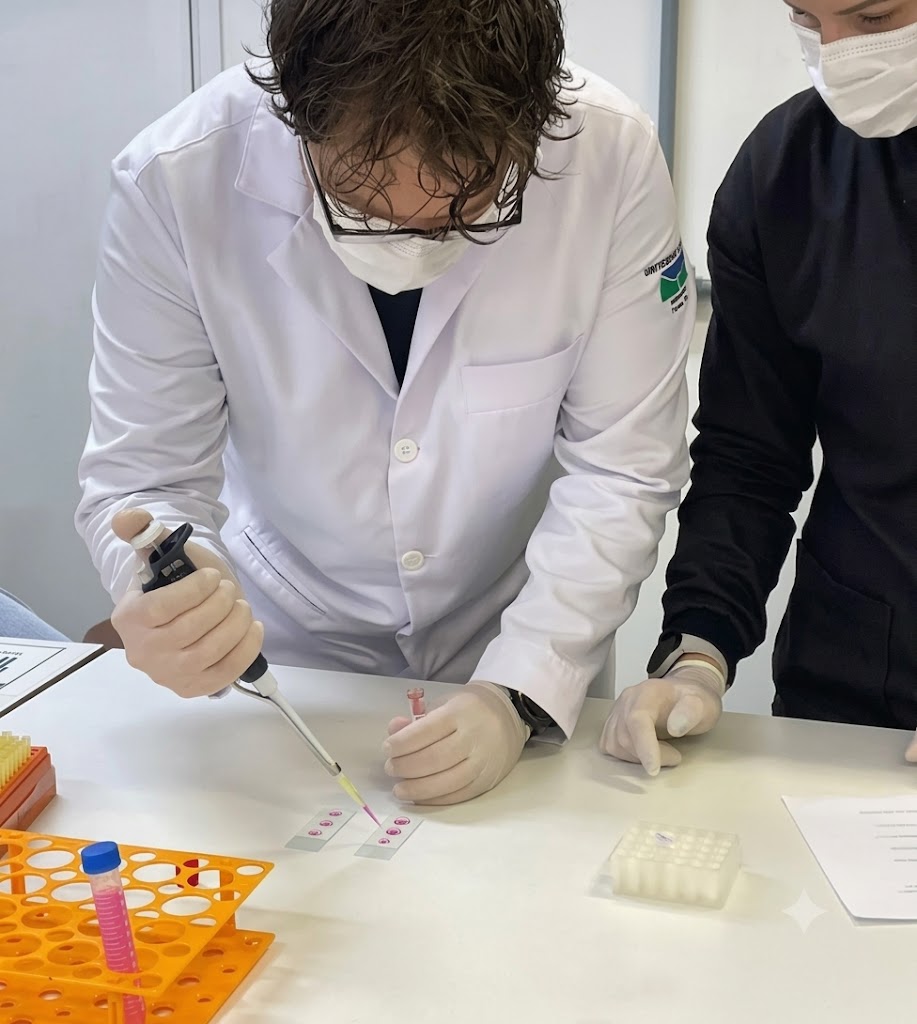
The Laboratory of Cellular Immunology has consolidated itself as a national reference in the investigation of immunological mechanisms underlying infectious, inflammatory and autoimmune diseases.
Throughout its history, the laboratory has played a strategic role in scientific production and in the training of highly qualified researchers, supervising master's dissertations, doctoral theses and undergraduate research projects.
Institutionally, LIC/FM is part of the portfolio of multi-user laboratories coordinated by the Dean's Office for Research and Innovation at the University of Brasília and is registered in the National Research Infrastructure Platform of the Ministry of Science, Technology and Innovation.
LIC/FM combines scientific excellence, academic legacy, mentorship and social responsibility in the development of research and training activities.
Commitment to methodological rigor, reproducibility and innovation in the investigation of immunological mechanisms.
A trajectory initiated in 1981 at the Faculty of Medicine of UnB, maintaining consistent scientific output and national relevance.
Dedication to undergraduate and graduate education, promoting the solid training of qualified researchers.
Research ethics, academic integrity and commitment to knowledge that generates real benefits for public health.
LIC/FM encompasses diversified infrastructure for cellular and molecular immunology, including flow cytometry, cell culture, biosafety cabinets, microscopy, centrifugation, luminometry, spectrophotometry and water purification systems.
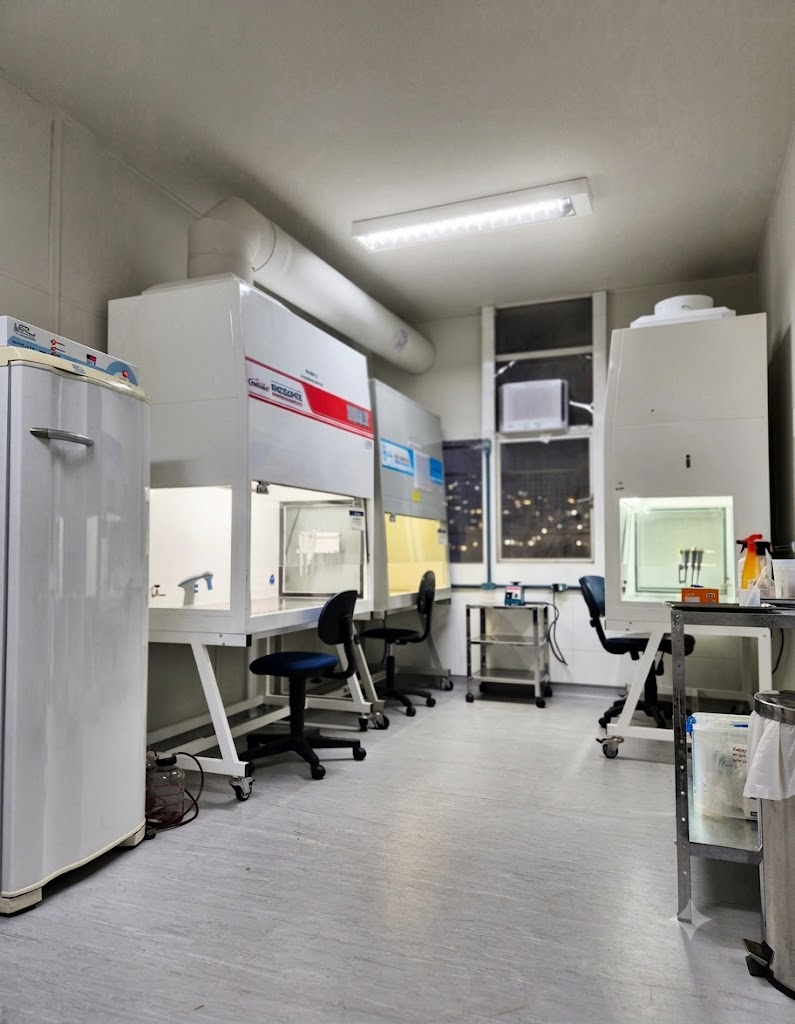
Dedicated environment for mammalian cell culture and cellular immunology protocols.
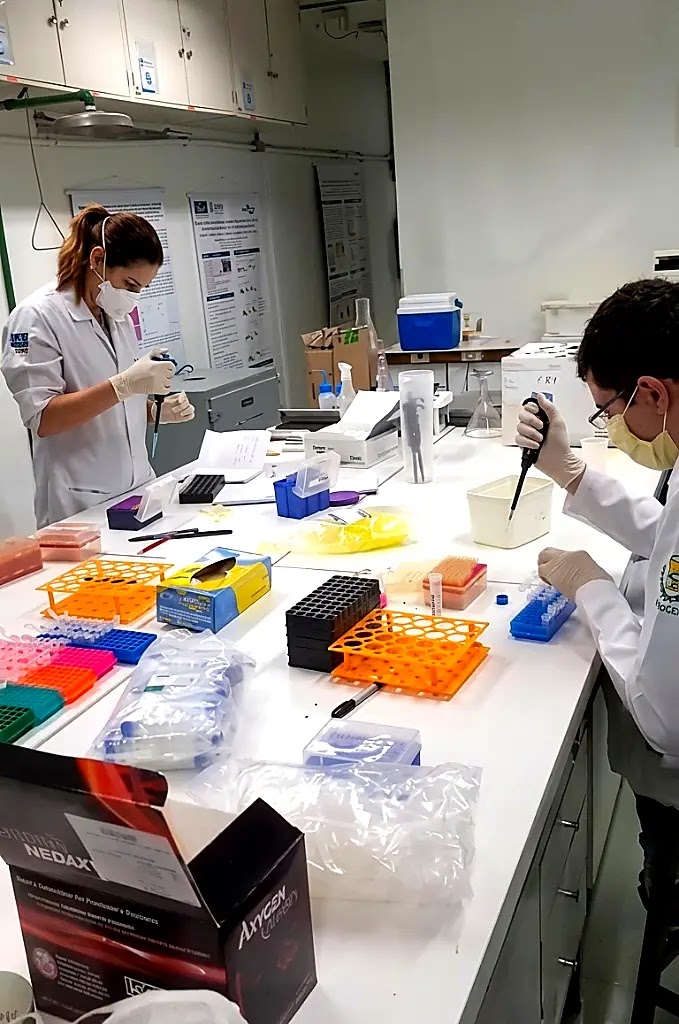
Support for sample processing, experimental assays and laboratory routines.
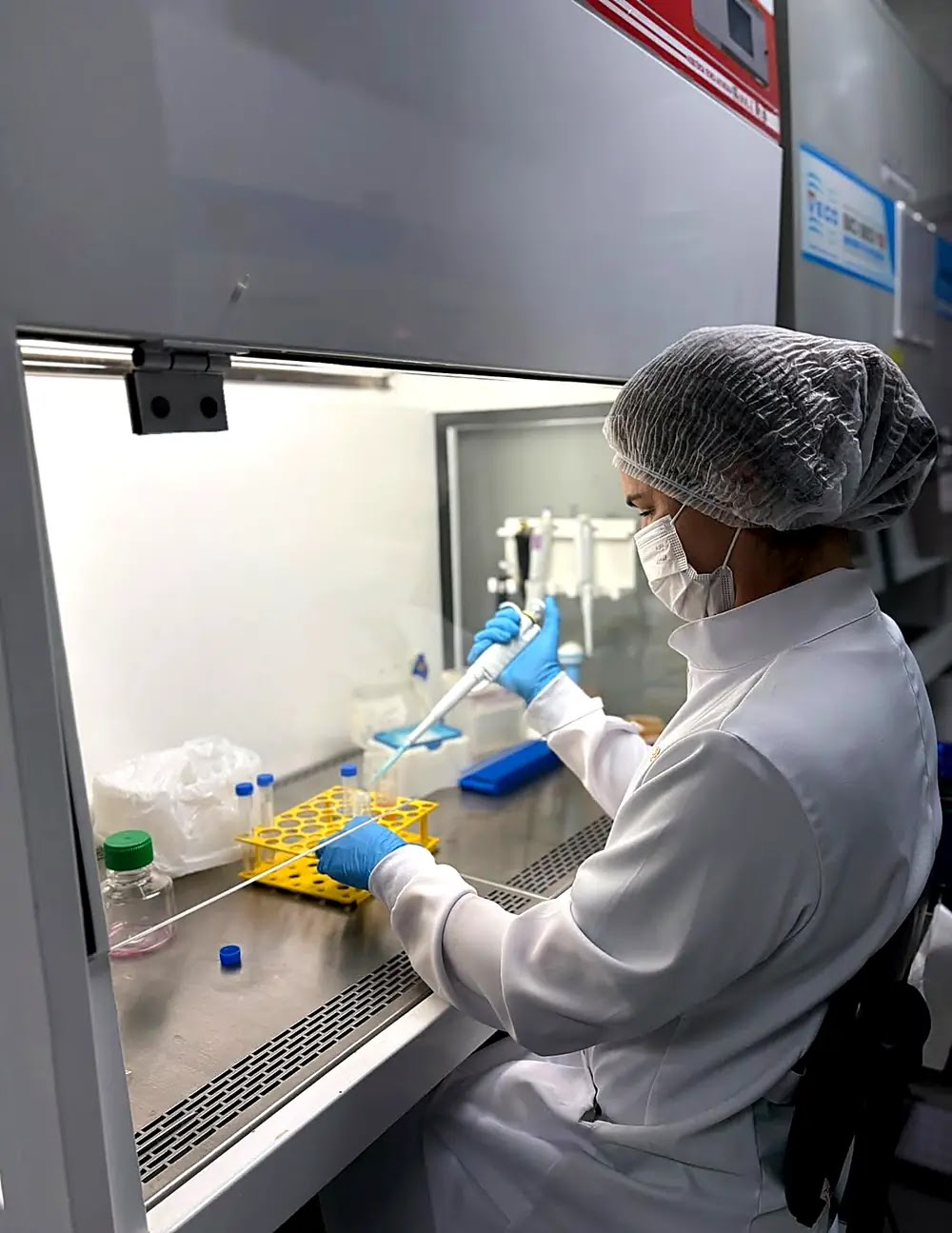
NB2 biosafety cabinets for cell culture and laboratory experimental routines.
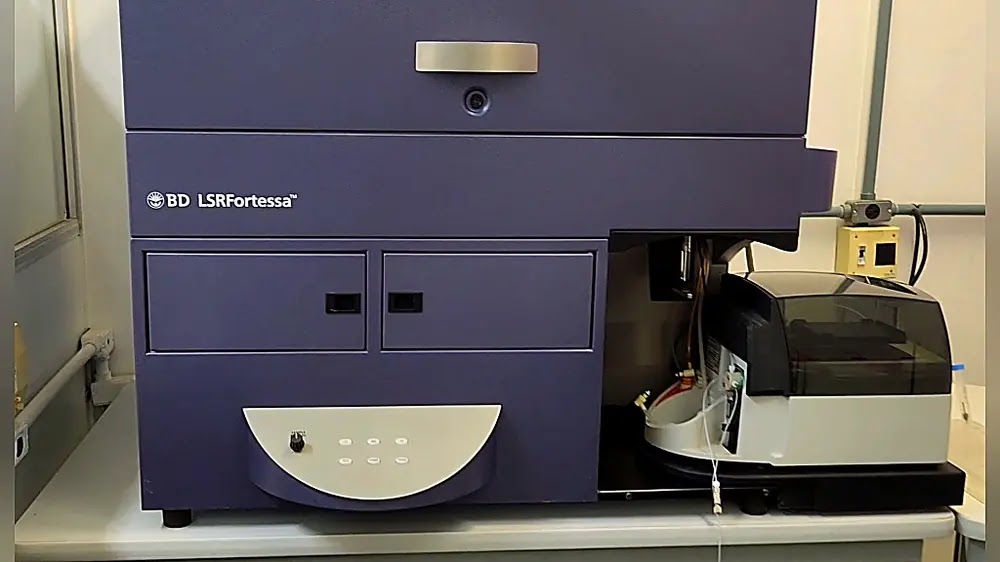
BD FACS Fortessa LSR II with blue, red and violet lasers and 13 detection channels.
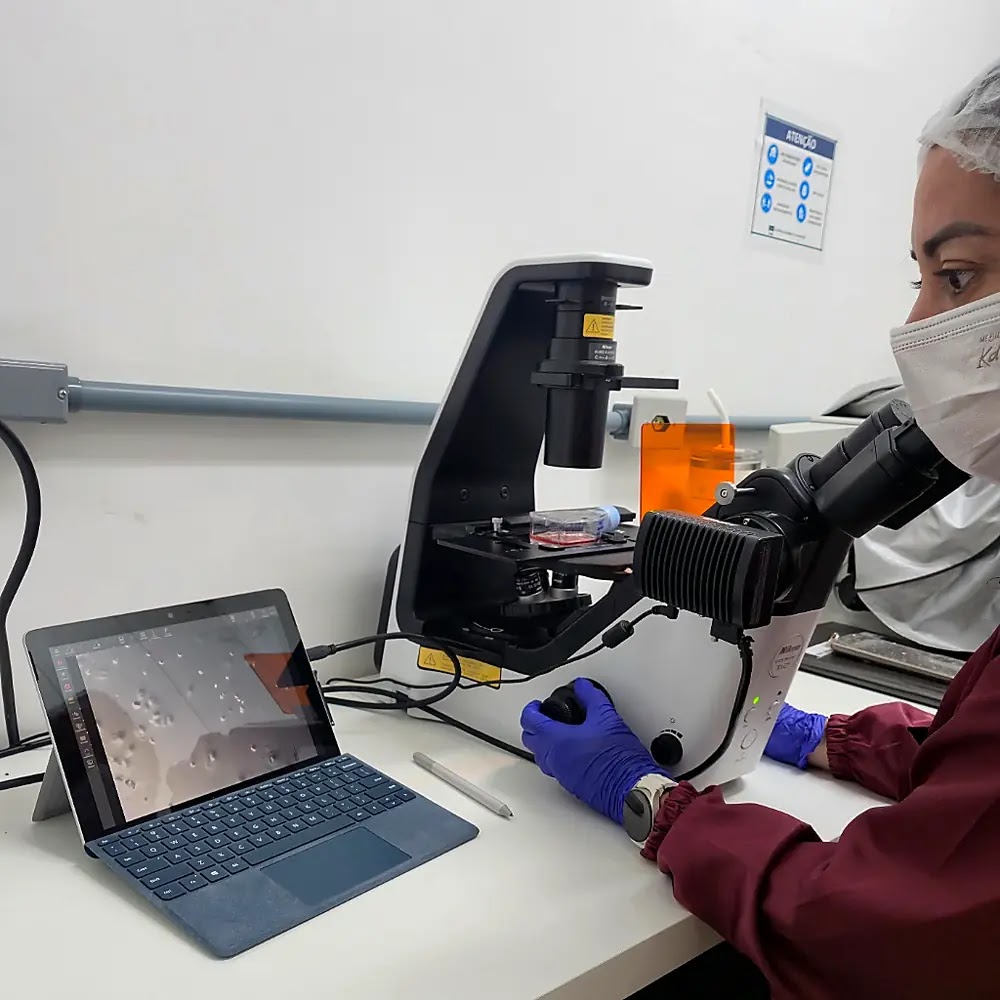
Microscopy systems for cellular observation, imaging and experimental monitoring.
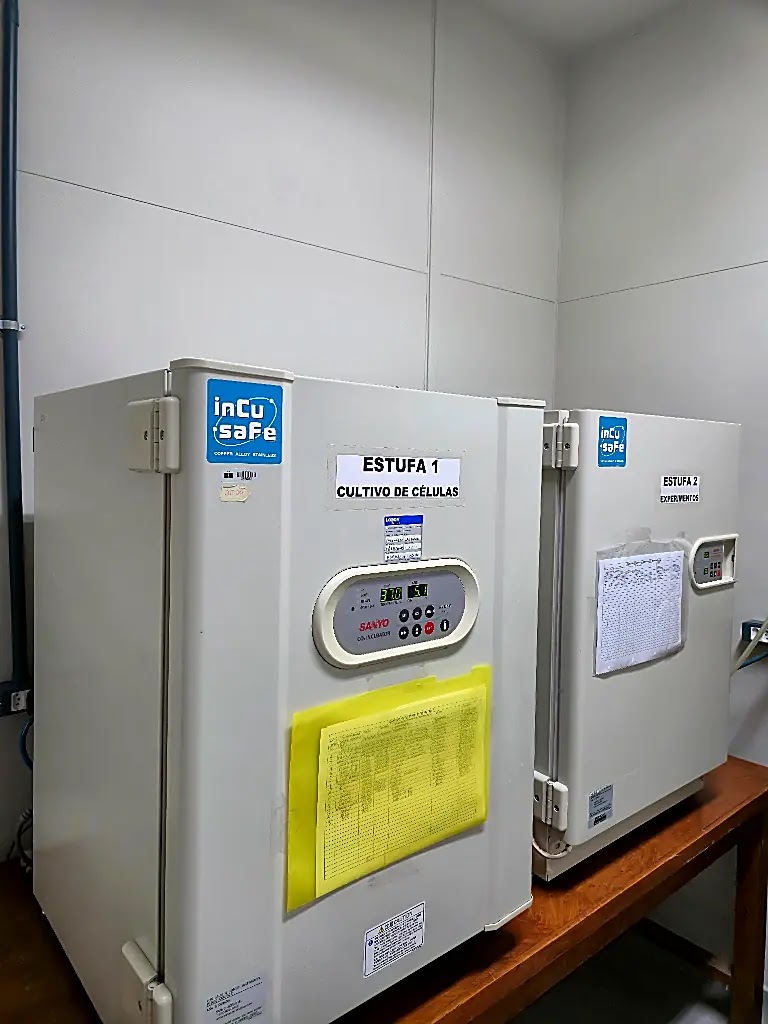
Equipment for controlled cell culture conditions and research protocols.
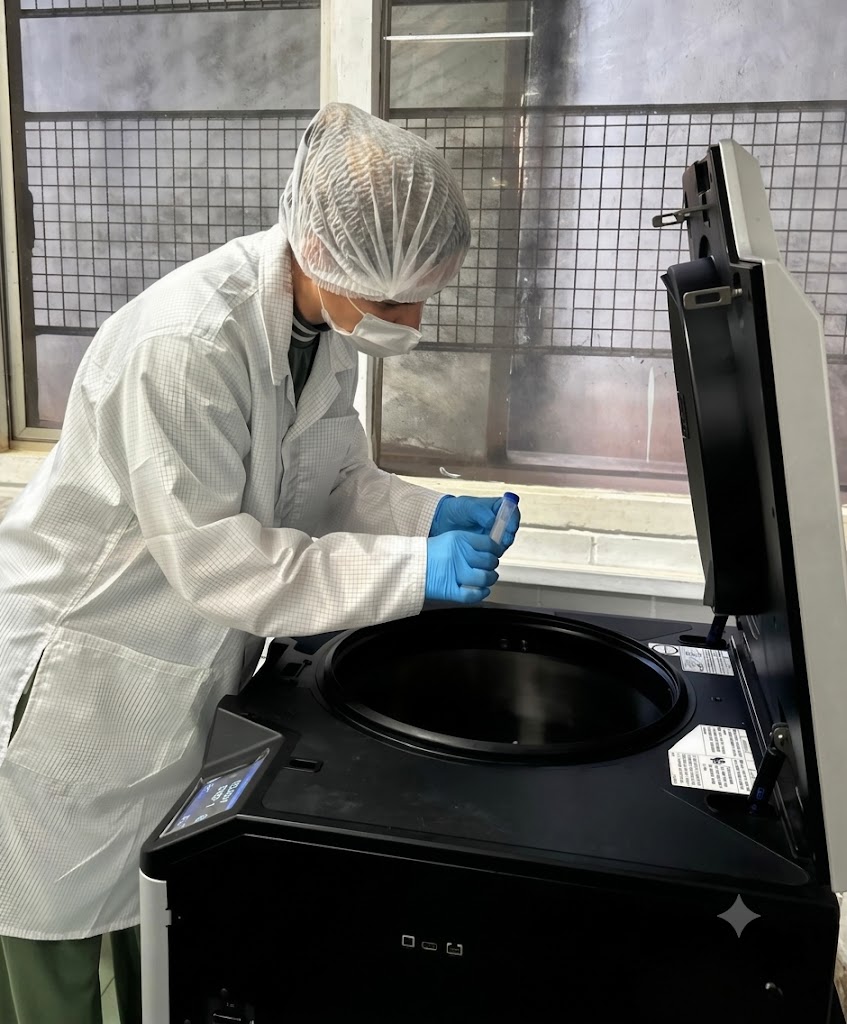
Equipment for high-speed processing of samples in immunology research.
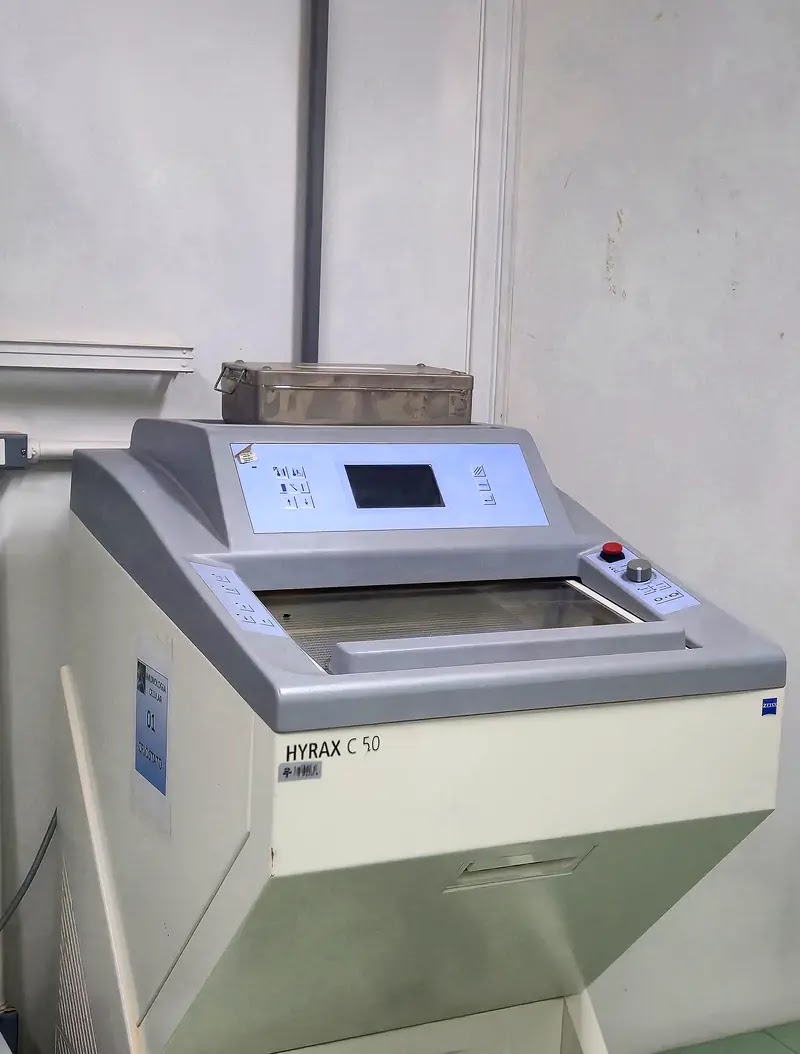
Infrastructure for sample preparation and histological support routines.
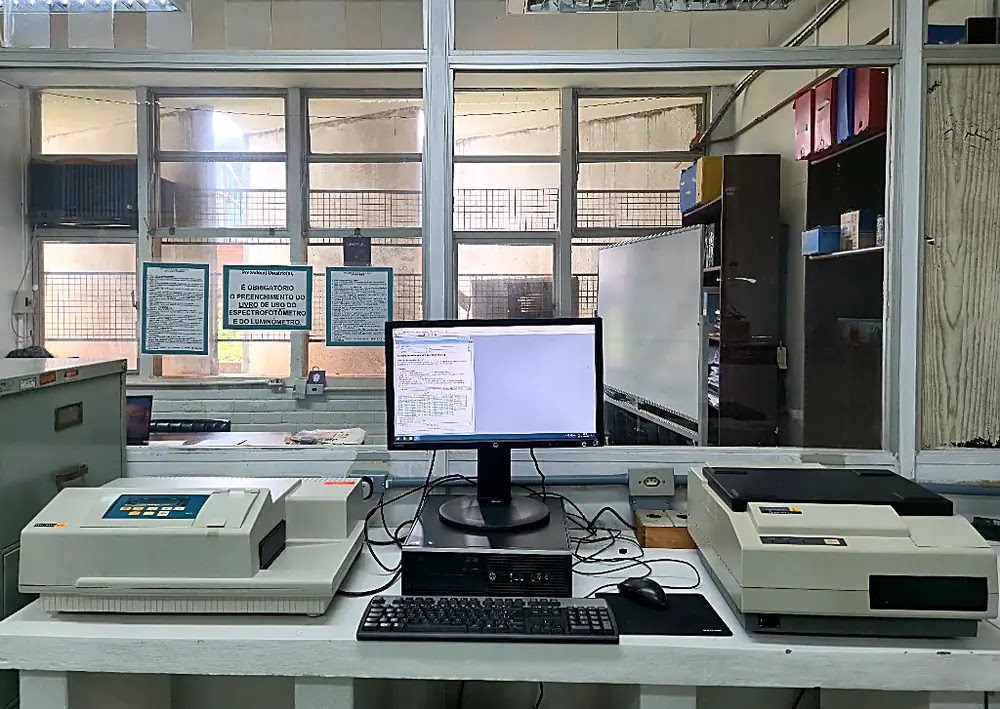
Luminometry, spectrophotometry and support systems for quantitative assays.
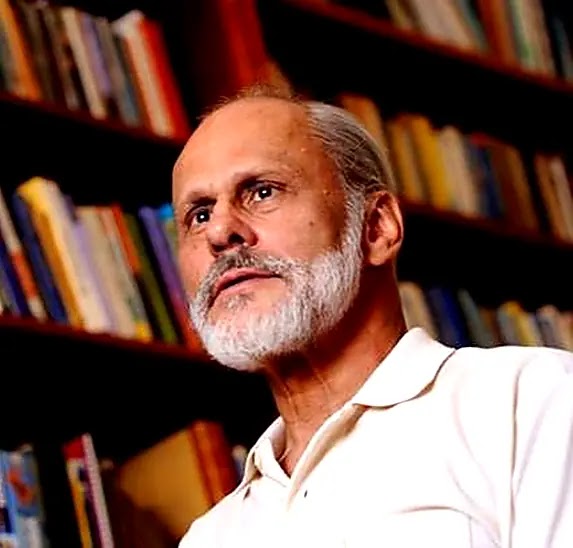
Distinguished academic and researcher in immunology, tropical medicine and parasitology. His career integrated research, teaching and extension, consolidating UnB as a center of excellence in biomedical sciences and tropical disease research.
His pioneering research lines focused on the immunology of parasitic diseases, especially malaria, leishmaniasis and Chagas disease.
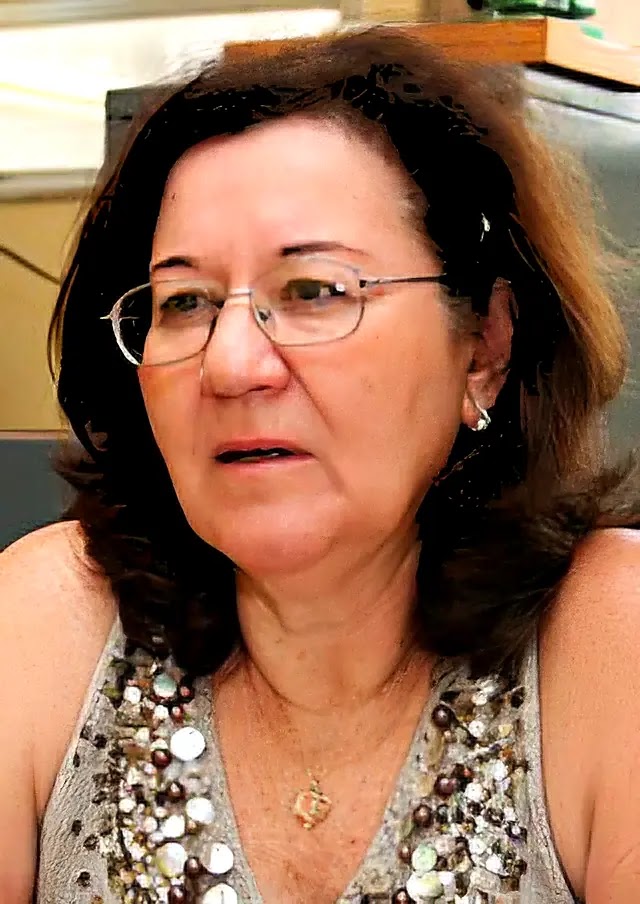
Nationally recognized researcher in cellular and molecular immunology. She played a decisive role in consolidating LIC/FM as a multi-user facility and contributed to research on malaria, leishmaniasis, Zika virus and other tropical diseases.
Her legacy includes scientific production, academic training and strengthening of institutional partnerships.
The team brings together faculty members, PhD managers and technical staff with expertise in immunology, microbiology, tropical medicine, molecular pathology and cell culture.
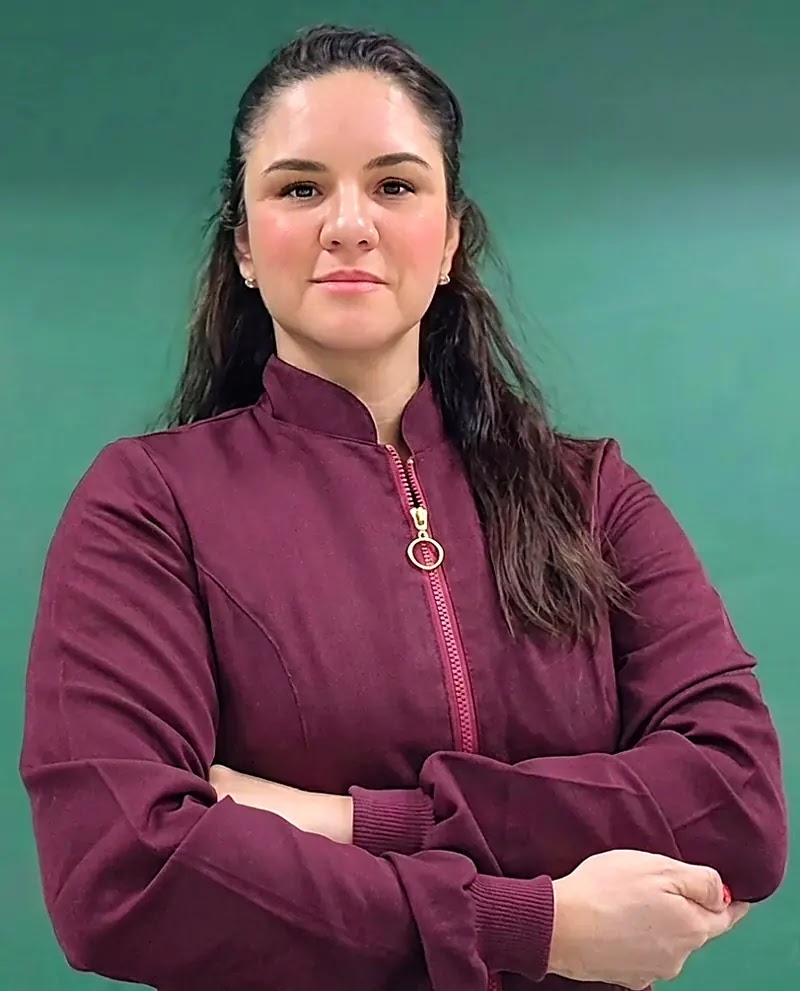
Assistant Professor at the Faculty of Medicine, University of Brasília. Her trajectory focuses on immunology, infectious diseases, tropical medicine, molecular pathology and advanced cell culture techniques.
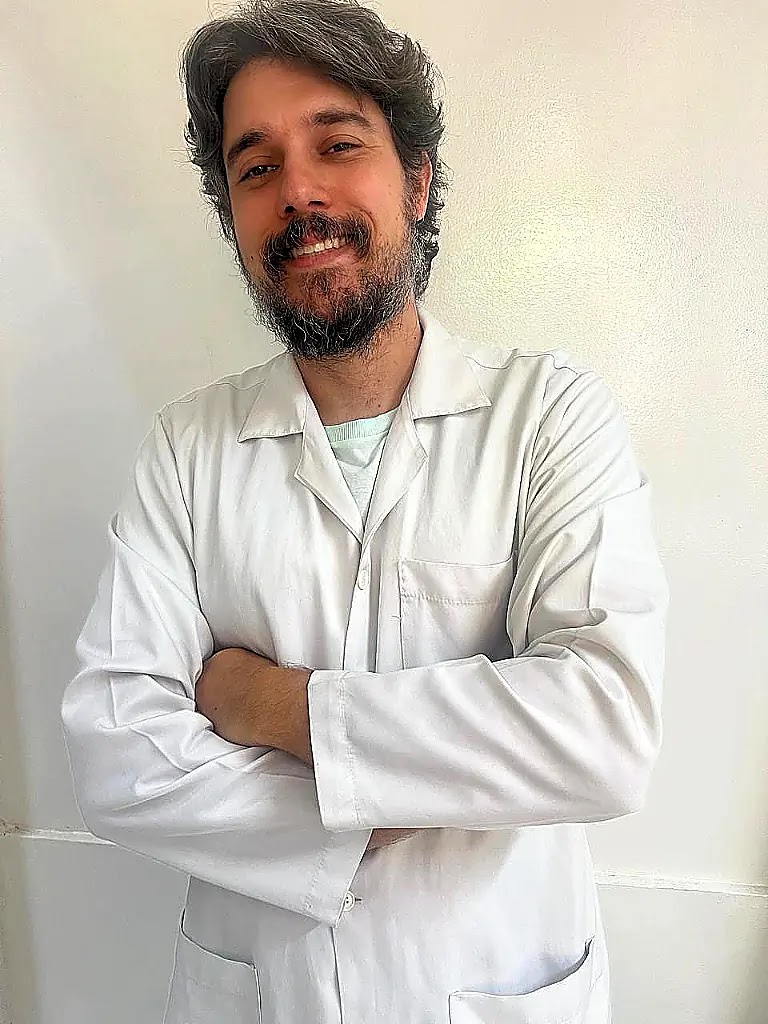
Assistant Professor specializing in medical microbiology, immunology and host-pathogen interactions, with research focused on fungal pathogenesis, macrophage biology and immunometabolic regulation.
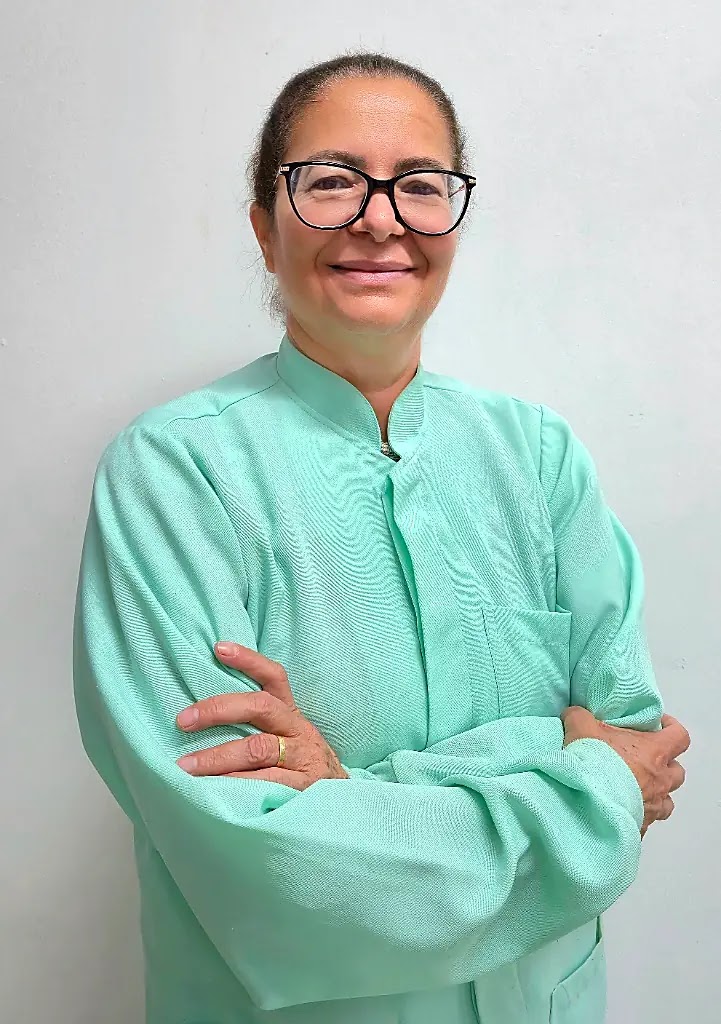
Holds a degree in Biological Sciences, a master's degree and a PhD in Tropical Medicine from the University of Brasília. Her doctoral research focused on NF-κB signaling pathways and inflammatory responses in cerebral malaria models.
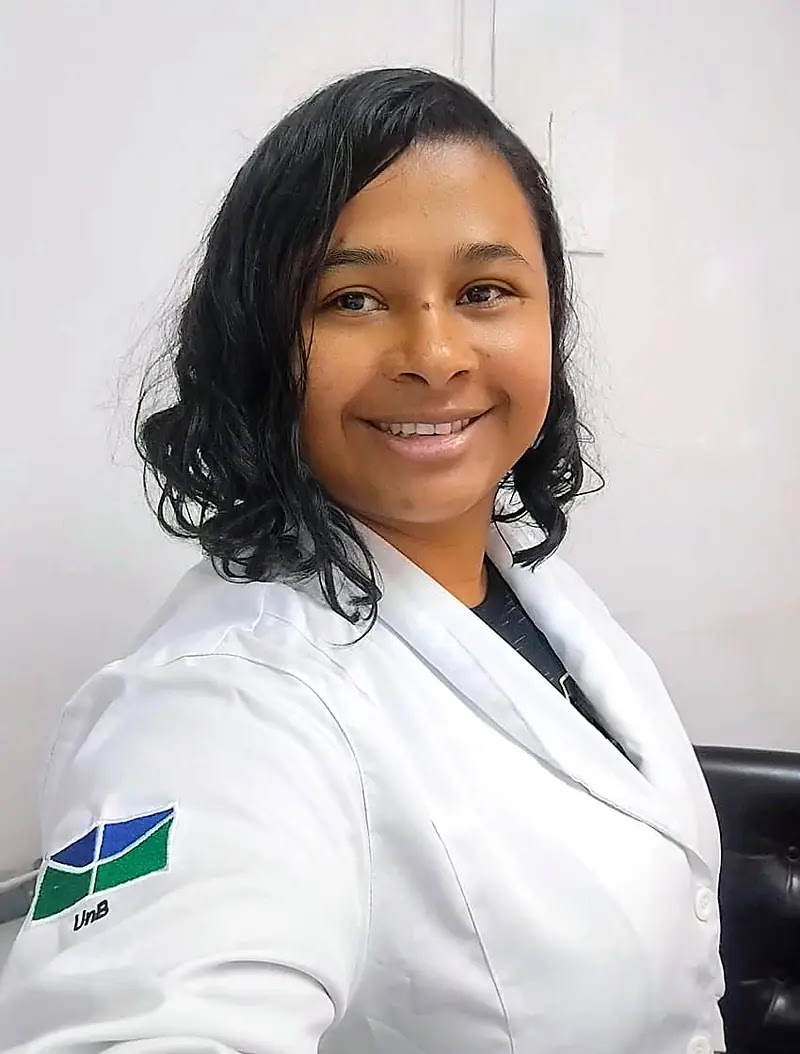
Holds a master's degree in Tropical Medicine and a PhD in Molecular Pathology from the University of Brasília, with research on immunological mechanisms and host-parasite interactions in Zika virus infection.
Study of immunopathological processes in leishmaniasis, malaria and other infectious diseases, focusing on host-pathogen interactions.
Application of advanced cell culture methodologies to analyze immunological responses and intracellular signaling pathways.
Evaluation of natural extracts and nanostructured systems for therapeutic applications in health, oncology and immunomodulation.
Research on immunological aspects of aesthetic interventions and their impact on tissue regeneration and inflammatory modulation.
Selected images from LIC/FM facilities, teaching activities, equipment and cellular culture records.
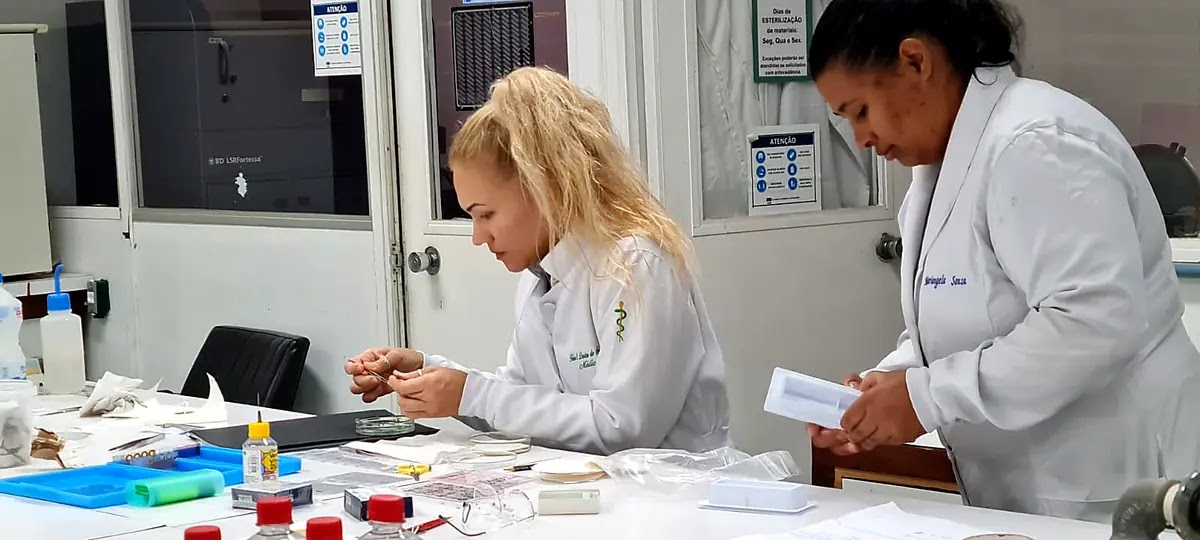 Postgraduate laboratory activityUndergraduate practical activity
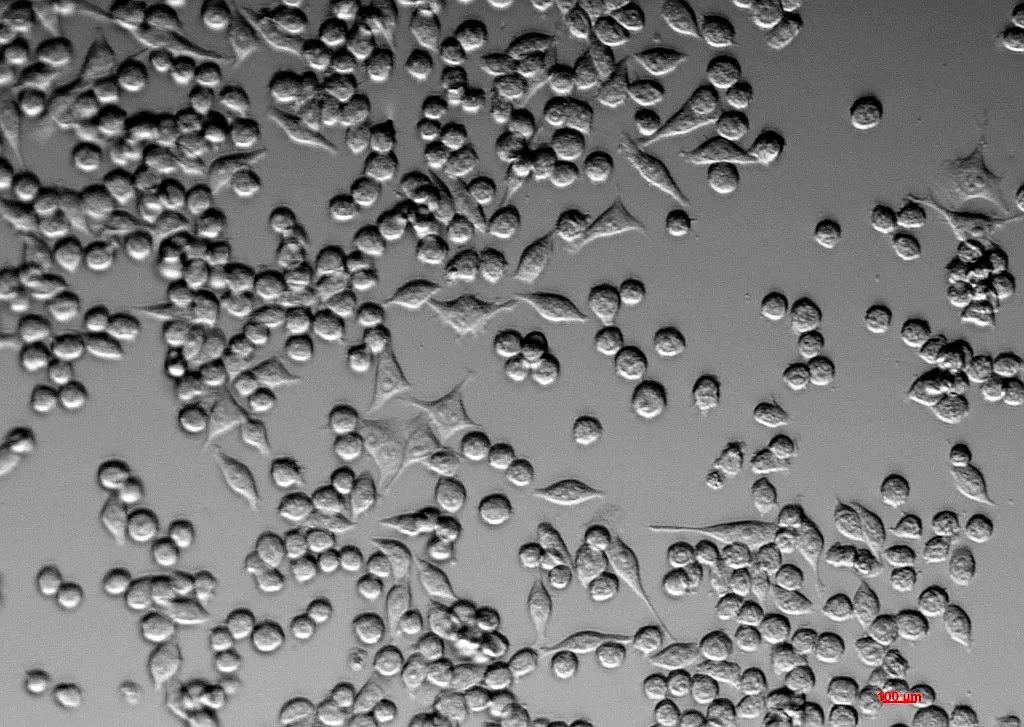 BV2 microscopy
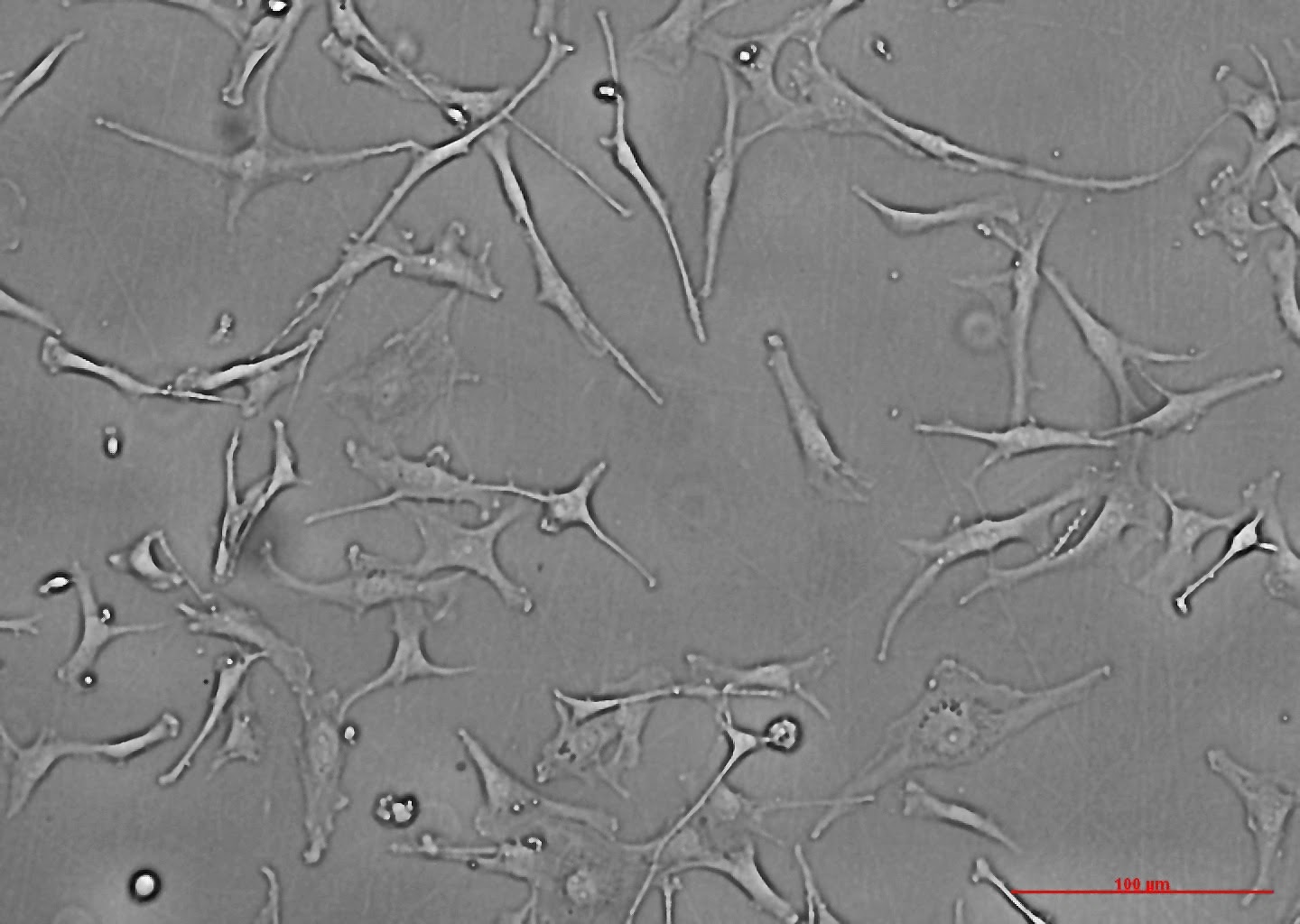 C20 microscopy
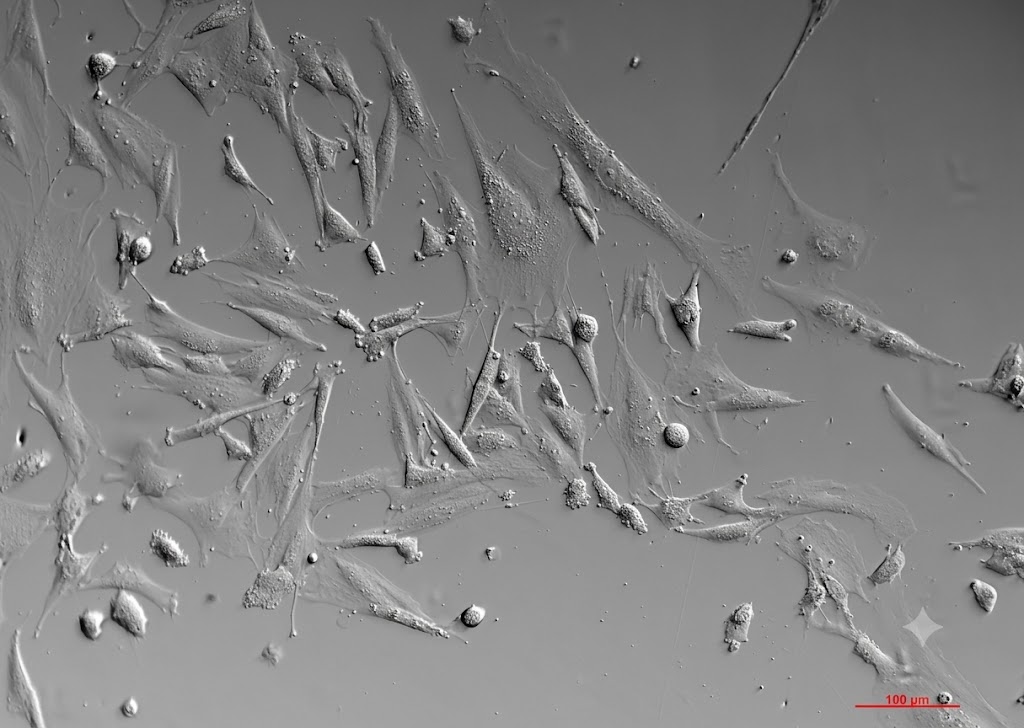 Cell culture microscopyInverted microscopeFlow cytometer
Selected articles, dissertations and theses associated with the laboratory and its research lines.
Faculty of Medicine, Darcy Ribeiro Campus, University of Brasília.